Selling Emotions: Brand Management the Theme Park Way
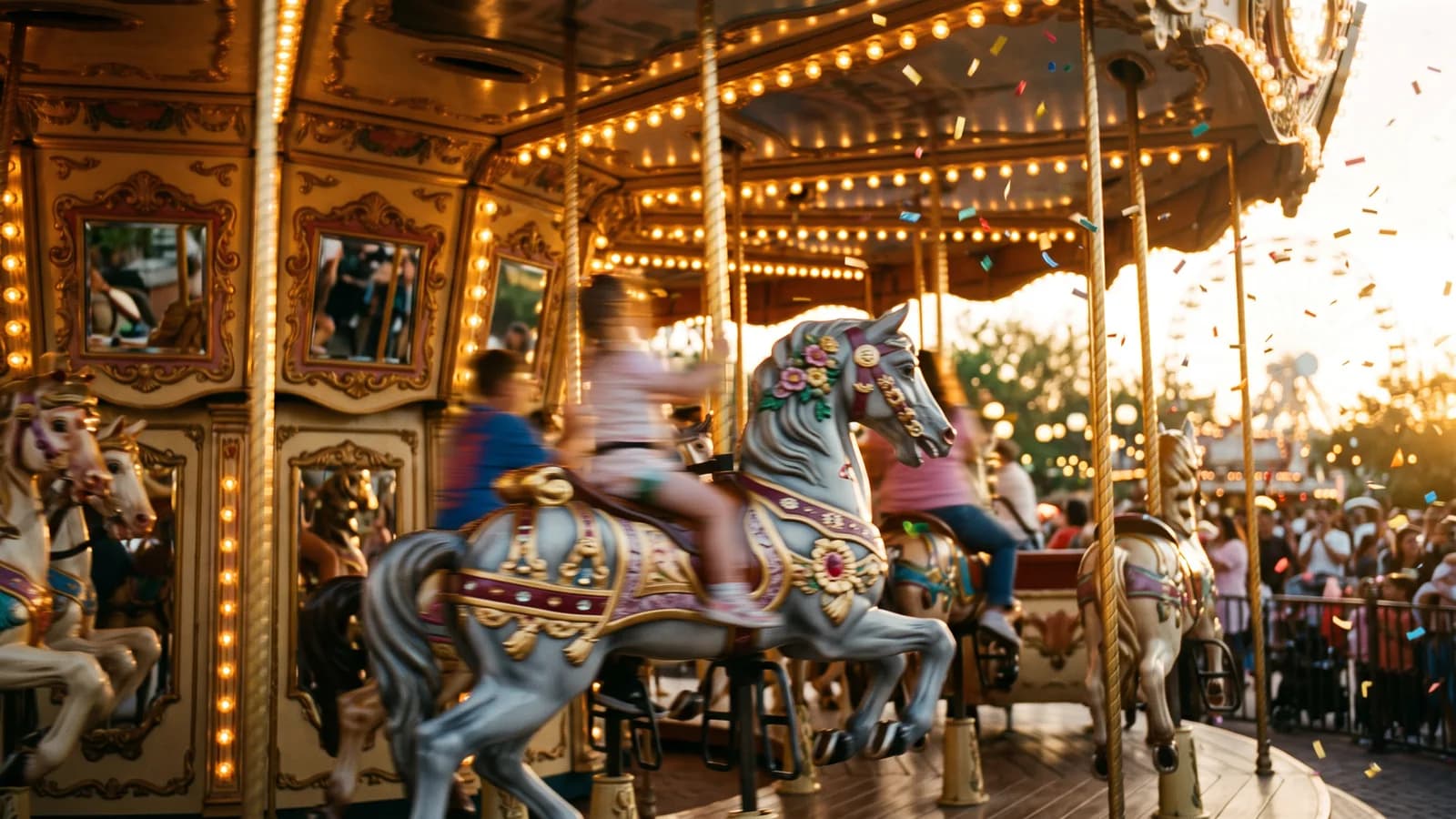
When I started at Phantasialand in 2017, I thought I knew what brand management was. I came from Mediengruppe RTL, where I had been responsible for more than 100 profiles with over 20 million fans, and I had fought pretty much every content battle social media has to offer. Then I stood at the park entrance one morning and watched kids who could not stand still from excitement. That was the moment I understood: nobody here is selling roller coasters.
A theme park with around two million visitors a year sells a feeling. Three feelings, to be precise. The anticipation before the visit, the experience on the day itself, and the memory afterwards. As Manager of Digital Communication, my job was to shape two of those three phases, because on the day itself the park takes over. And that way of thinking is exactly what most brands are still missing.
Anticipation is half the experience
A park visit does not start at the turnstile. It starts weeks earlier: watching a video on the sofa, planning the day with the kids, replaying that one ride in your head for the hundredth time. Digital communication for an experience brand is mostly about filling those weeks. Not with advertising, but with material that gets the imagination going.
At Phantasialand we learned that a look behind the scenes often builds more anticipation than the perfect image film. People want to know how the thing works that they are about to experience. It was the same at RTL, by the way: the GZSZ community, where I started as an intern in community management, wanted to see everyday life on set, not the glossy poster.
Memory is the actual product
After the visit, the second half begins. The family sits in the car, the kids fall asleep, and the phone is full of photos. What an experience brand does digitally at that moment decides whether a nice day becomes a story that gets told for years. If you pick up those memories, share them, and polish them, you extend the experience by months.
The best part of that job: the community did half the work themselves. Guests post their moments anyway. The only question is whether the brand listens, responds, and makes the best stories visible. A shared guest photo with an honest comment beats any campaign, because it is real. That was true with twenty million TV fans, and it was true at the park gate.
Community: fans are not a target group
Theme park fans are a special breed. They know every ride, debate queue times, and defend their park like a football club. If you treat people like that as a target group, you have already lost. They are co-creators. My most important lesson from almost seven years at RTL: community management is not a chore next to the content, it is the core of brand management.
In practice that means answering, even when it gets uncomfortable. Taking criticism seriously instead of moderating it away. And giving your loudest fans responsibility, for example letting them see things first. People who feel taken seriously turn from visitors into ambassadors. That costs attitude and time, but far less than any reach campaign that fizzles out after three days.
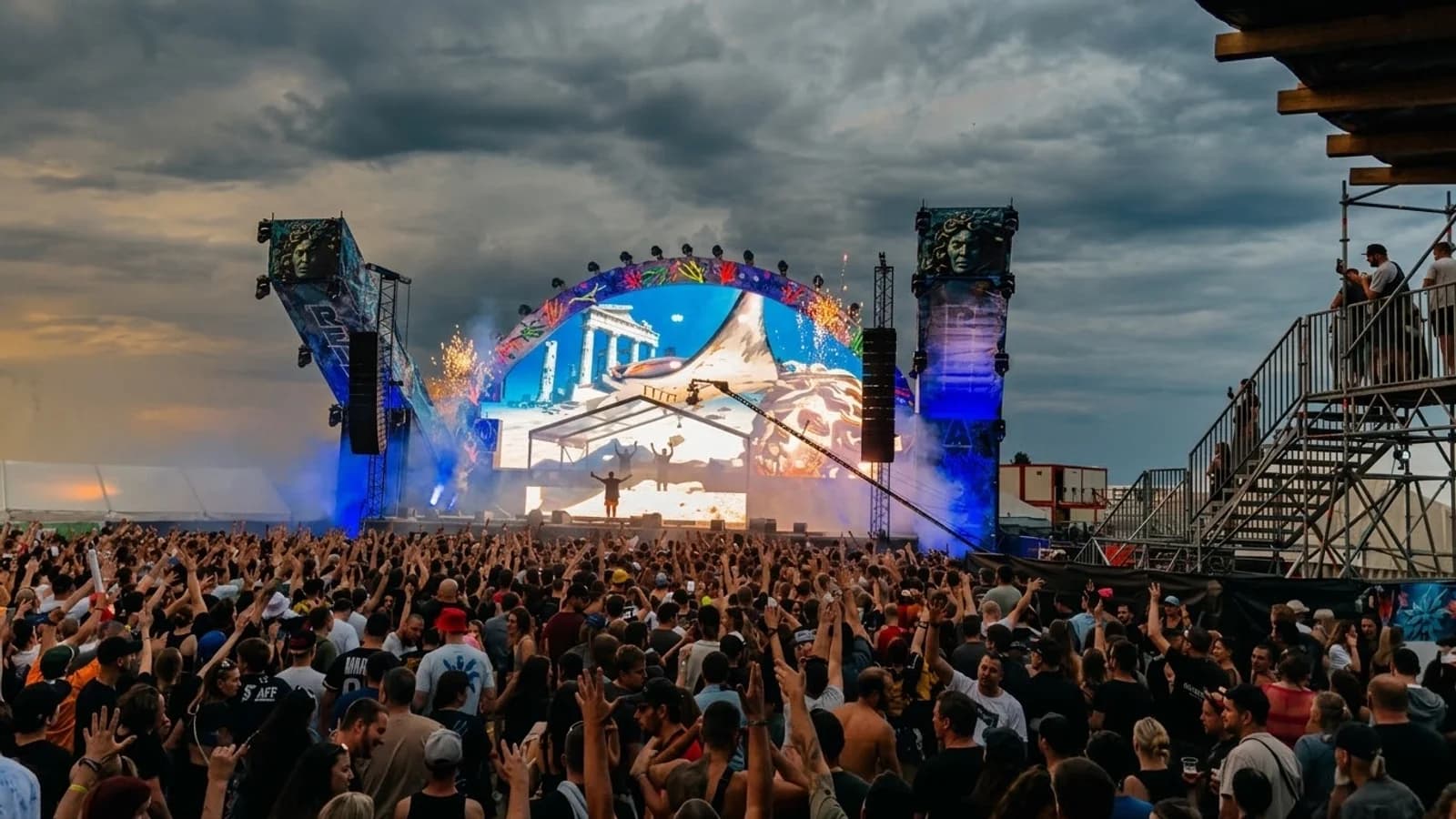
The strongest glue for a community, by the way, is the shared live moment. When we used Vidpresso at RTL to produce the first professional Facebook livestream of a Klitschko boxing match, you could watch individual viewers turn into an audience: people cheering, groaning, and celebrating together in real time. That feeling of having been there carries a brand longer than any commercial.
What every brand can learn from a theme park
You do not sell roller coasters? Does not matter. The mechanics of anticipation, experience, and memory work for software just as well as for tax consulting. People buy the same thing everywhere: the good feeling before, during, and after the decision. Here are a few principles I have applied in every project since, whether agency, livestreaming production, or AI product:
- Think in phases: what does your customer feel before, during, and after the purchase? Each phase needs its own communication.
- Show what happens backstage: insights into people and craft beat glossy production almost every time.
- Extend the memory: pick up your customers' stories instead of only telling your own.
- Treat fans as co-creators: answer, listen, hand over responsibility.
- Measure emotion, not just reach: comments and repeat visits say more than impressions.
Now add AI to the mix
This mechanic has followed me through every station since, from running a full-service agency in Cologne as CEO of Heroes Germany to being CDO of a Swiss livestreaming scale-up with large productions and its own app product. Today, as an AI consultant at BE BRAVE and co-founder of ORION AI, I see this: much of what needed a whole team back then can now be personalized and automated. We have more than 30 AI and digital products live, from voice agents on the phone to live translation of streams.
My answer to the obvious question: use it for the emotion, not for the pressure. An AI that knows a family is visiting for the first time can tailor anticipation: the right route, the right tone for the kids, a memory video afterwards. The same AI can also just send the tenth discount newsletter. Personalization is an amplifier. It amplifies good brand management just as reliably as bad.
The line matters: personalization should feel like a good host who remembers you, not like a salesperson following you through the house. In a park, nobody would chase a guest around shouting an offer at them every two minutes. Online, a surprising number of brands do exactly that. AI gives us the chance to do better: more relevant, quieter, more personal.
Sell the feeling, not the product
Brand management in a theme park taught me that the customer journey does not end with the purchase. It ends with the memory. Building anticipation, delivering the experience, nurturing the memory, and taking the community seriously: that is not theme park folklore, that is the craft behind every strong brand. AI now makes this craft scalable, for large companies and small ones alike.
If you like, try a simple test today: write down what your customers hear from you in the week before the purchase and in the week after. If the page stays mostly empty, you know where to start. And if you want to talk about how AI personalization can help your brand do this without becoming pushy, get in touch. I am always happy to compare notes.