Brand Building in the AI Age: Attitude Beats Gloss
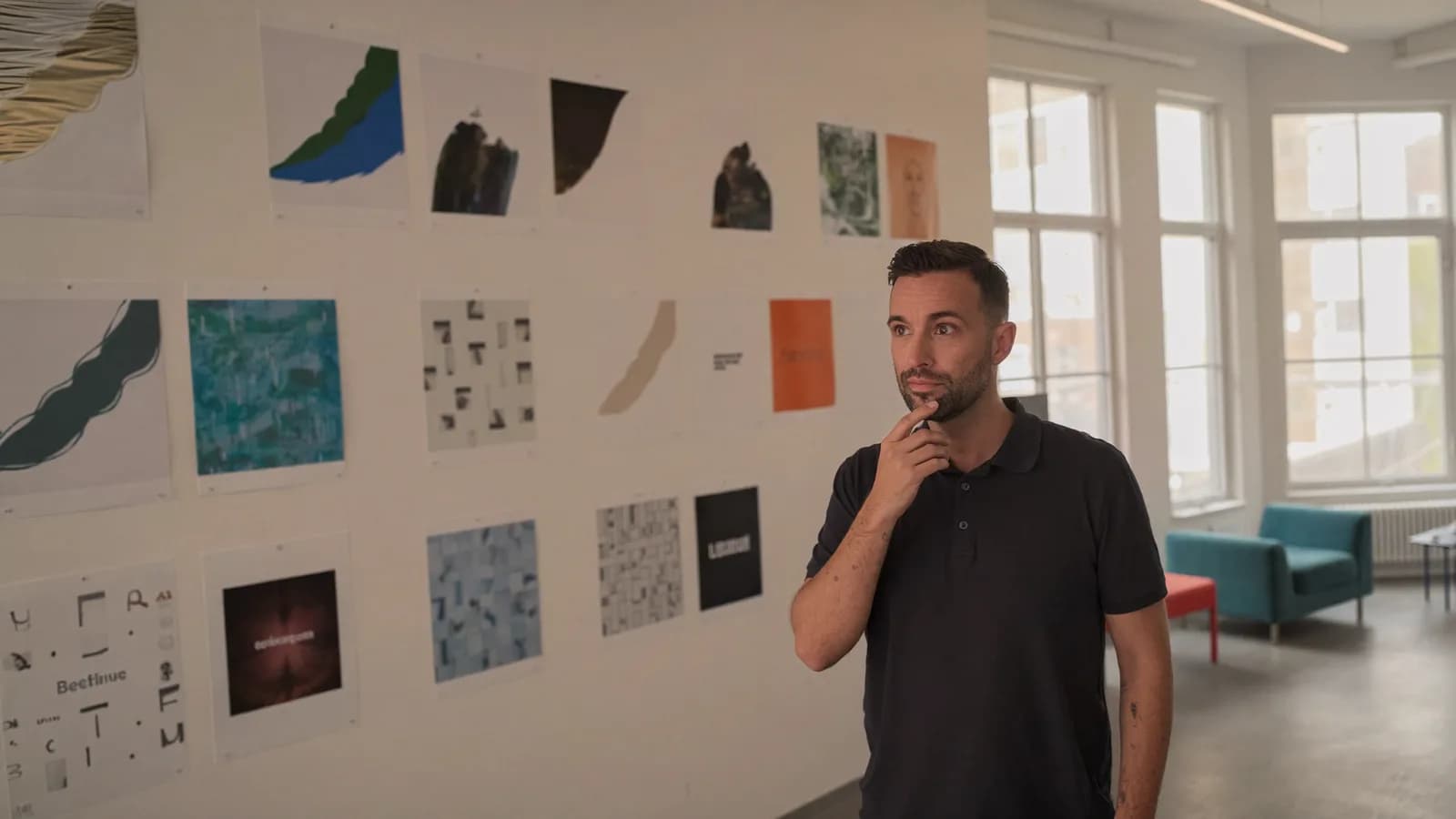
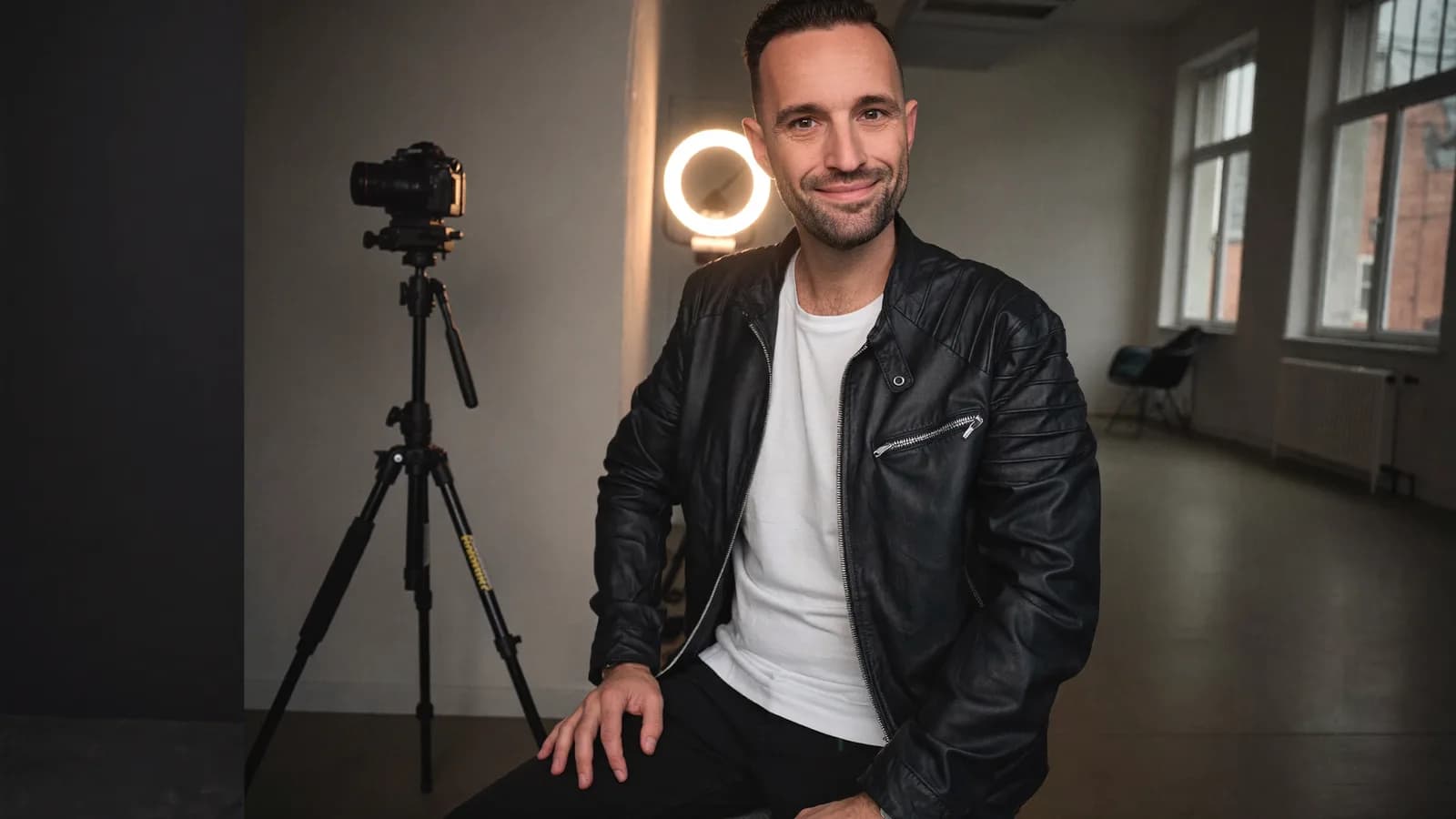
When I joined Phantasialand in 2017, I thought I knew what brand management was. After all, I had spent almost seven years at Mediengruppe RTL before that, responsible for more than 100 profiles with over 20 million fans. Then I sat in my first review meeting at the park and learned something new: here, people debated the position of a logo longer than others debate entire campaigns.
Back then, I occasionally found it exhausting. Today, working as an AI consultant and watching machines produce glossy content at absurd speed, I know better: that obsession with detail is exactly what saves brands in the AI age. Because when anyone can generate beautiful images and fluent copy in seconds, beauty is no longer a differentiator. Attitude still is.
Glossy is a commodity now
Let's be honest: the barrier to good-looking content is practically zero. One prompt, thirty seconds, and the campaign visual is done. Copy, images, video, even music. I release AI-produced songs myself under the name DerSchiefen, so I know first-hand how good these tools have become.
The result is a paradox. The easier perfection gets, the less it is worth. When every feed is full of flawless visuals and polished copy, the winner is no longer whoever produces the prettiest content. The winner is whoever stays recognizable. And recognizability is not created inside the tool. It is created in the decisions before it.
When I started as a community management intern at GZSZ.de, the mere fact that a company ran professional community work on Facebook set it apart. That turned into almost seven years at RTL and the role of Germany's first official social media manager. The point is: back then, the edge was in skill. Today, it is in character.
What Phantasialand taught me about consistency
Phantasialand welcomes around two million visitors a year and lives on one promise: themed worlds that are right down to the last detail. As Manager of Digital Communications there from 2017 to 2019, I experienced how seriously that promise was taken. Nothing went out that did not fit the world it came from.
That also meant saying no. A lot. No to trends everyone else was jumping on. No to formats that promised reach but did not fit the brand. That discipline shaped me. A brand is not a logo or a color code. It is a filter that every single publication has to pass through. And that filter becomes more important, not less, the more content you are able to produce.
What actually differentiates in the AI age
When production costs practically nothing, competition shifts to the things no machine can do for you. From my experience, from the RTL years through the theme park to today's AI projects, it comes down to these five points:
- Attitude: a clear position that holds even when the trend points the other way.
- Consistency: the same tone and the same values, on every channel, every day, from every sender.
- Recognizability: your content should be identifiable as yours even without the logo.
- Reliability: keeping promises, in the product just as much as in the communication.
- Real closeness: listening, answering, taking your community seriously. That was the core of good work back in my GZSZ days and it still is.
AI amplifies what is there. Including the generic.
Today I build AI systems that run in production, at BE BRAVE AG and with ORION AI: chat platforms, live translation for streams in English, French and Italian, voice agents on the phone, content automation. More than 30 products are live. And every single project shows the same pattern: AI is an amplifier. It turns a clear brand into more clear brand. And arbitrariness into more arbitrariness.
If you automate without a defined tone of voice, you get interchangeable average at high frequency. If you have described your brand core properly, you can feed it into every system: into the chat assistant, into the text automation, into the voice agent that answers the phone in the right tone. Then the machine does not scale just any content. It scales yours.
How to get your brand into the machine
The practical path is less spectacular than many expect. Write down your brand core, concretely enough that a machine can work with it: values, tone, words you never use, topics you have an opinion on. What the themed world was at Phantasialand is, in your AI workflow, the briefing document that travels with every prompt.
And then: keep the final say with a human. In our projects, nothing brand-critical goes out automatically without someone looking at it first. Not out of distrust of the technology, but because attitude remains a human decision. The machine delivers speed and volume. You deliver the direction.
My takeaway: brand first, tools second
I helped realize the first professional Facebook livestream of a Klitschko boxing match, back then with Vidpresso, when livestreaming was still uncharted territory. The technology of that era is long since standard. What remained is what will remain this time too: brands that know who they are survive every technology shift. The others drown in the noise, just faster than before.
So here is my invitation: before you roll out the next AI tool, answer one question. How would people recognize your content if the logo and the sender were missing? If you do not have a clear answer to that, let's talk about exactly this. It is the work that comes before any automation. And it pays off.