AI Video Production: A Finished Marketing Film in Days, Not Weeks
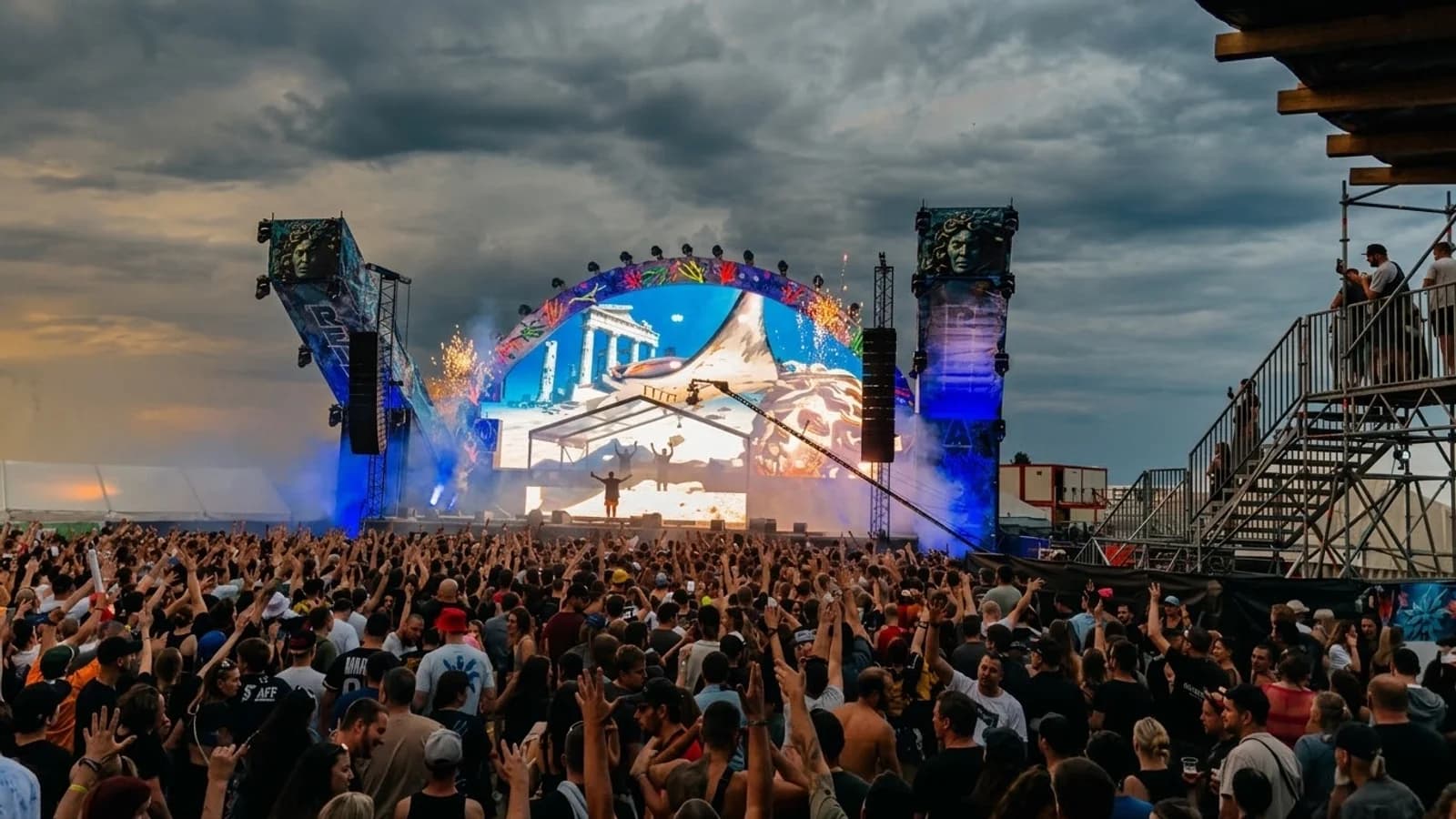
When we produced the first professional Facebook livestream of a Klitschko boxing match at Mediengruppe RTL, a single broadcast required an entire apparatus: technology, rights, crew, nerves. Later at Phantasialand, a theme park with around two million visitors a year, film productions felt similar. Briefing, storyboard, shooting schedule, location, weather, shoot, edit, endless revision loops. Between the first idea and the finished marketing film, weeks passed. Often months.
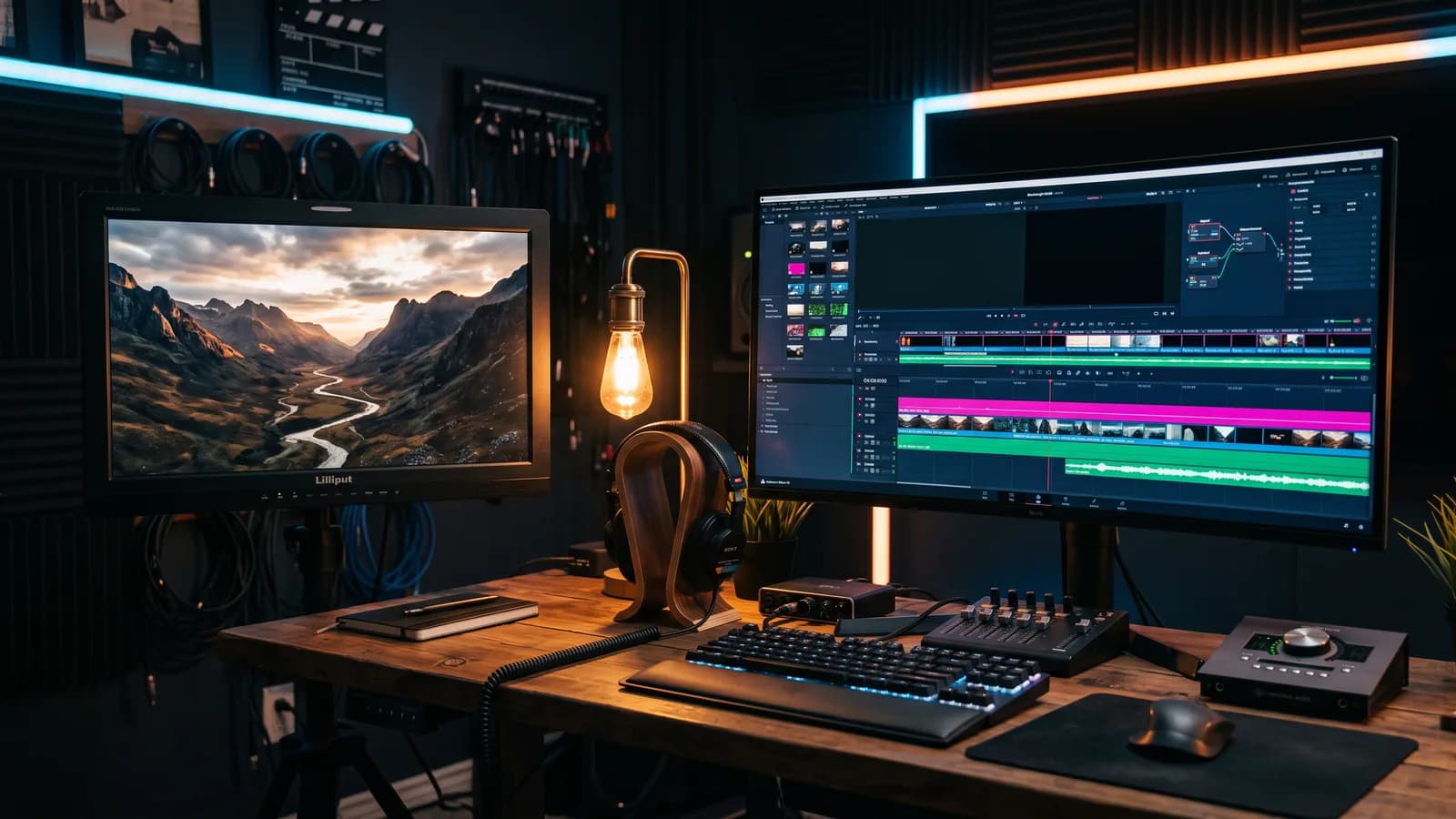
Today I produce marketing films at my desk. AI-generated stills as the starting point, image-to-video for motion, a properly produced voice-over, music, editing. From idea to finished film, it takes days, not weeks. That sounds like a sales brochure, but it is simply my daily work as an AI consultant at BE BRAVE and co-founder of ORION AI. Which is exactly why I want to be honest about what this pipeline can do, and where it loses.
The principle: nail the image first, then make it move
The core of my pipeline is unspectacular: every important decision happens on a still image, not on moving footage. For each scene in the storyboard, I generate stills until light, framing and mood are right. That costs minutes, not shooting days. Only when an image truly carries the scene does it go into the image-to-video stage, which turns it into a clip of a few seconds, camera movement included.
This flips the logic of classic production. On set, every correction is expensive, so everything gets planned and approved endlessly in advance. In the AI pipeline, correction is almost free, so I get to experiment. Someone wants the scene at dusk instead of noon, in blue instead of orange, from a drone instead of a medium shot: the new version exists an hour later. That iteration speed is the real win, not the raw cost savings.
My pipeline in five steps
This is how a marketing film comes together on my desk, from empty document to finished file. The tools change every few months because the market moves incredibly fast right now. The steps themselves stay stable, and that is exactly what makes the pipeline predictable, even for teams without a film background:
- Storyboard as text: scenes, image descriptions, voice-over script, all in one document, written together with an AI assistant.
- Generate stills: several variants per scene until look, light and visual language are consistent across the whole film.
- Image-to-video: the best stills become clips of a few seconds, with camera moves and motion defined in the prompt.
- Voice-over: a professional AI voice with a real feel for the language, multilingual if needed, script straight from the storyboard.
- Edit and music: a normal editing suite, music often AI-produced, color grading and titles just like any other film.
Quality tiers, sorted honestly
Tier one: social content and performance ads. Here, the AI pipeline is simply production-ready today. Short clips, fast cuts, a hook in the first seconds. From my RTL years, running more than 100 profiles with over 20 million fans, I know one thing: on these channels, relevance and frequency beat polished perfection. A film that fits this week's campaign works harder than one that would be perfect in six weeks.
Tier two: explainer films, product teasers, event announcements, recruiting videos. Very doable, but this is where craft begins. Consistency is the real challenge: the same person, the same product, the same look across twenty scenes. It works with reference images and disciplined prompting, but it forgives no sloppiness. Weak spots remain text inside the image, exact logos, and products that have to be correct down to the last detail.
Tier three: the big image film, the brand film built on real emotion. This is where it gets tight. Faces that stay believably identical across many scenes, genuine expressions, subtle gestures: possible with AI, but the effort climbs steeply and the result remains a bet. If your standards here are at the very top, a camera crew is often faster and safer.
When classic production wins
Whenever real people are the message. Testimonials, employees, the founder in front of the camera, the actual product in use with an actual customer: there, authenticity is the entire argument, and an AI double destroys exactly that. Add the legal questions around voices and faces, which you need to settle cleanly before anything goes online.
As CDO of a Swiss livestreaming scale-up, I was responsible for large productions, with everything that entails. Live moments, real reactions, an audience that can feel something genuine is happening: no pipeline in the world replaces that. So the honest answer is almost always hybrid. Shoot for real what has to be real. Use AI for b-roll, variants, adaptations, translations, and everything that would otherwise die in the budget round.
One more thing from practice: hybrid also means planning differently. I storyboard the whole film first, then decide shot by shot what needs a camera and what the pipeline can carry. That single decision, made early, is where most of the saved time and money actually comes from.
Start small, but start
My concrete advice: pick a real, small project. A product teaser, an event announcement, a clip for your next campaign. Write the storyboard with an AI assistant, build the stills, test image-to-video, put a voice-over underneath. After that one film, you will know more about what is possible than after ten conference talks, my own included.
And if you are facing the question of whether your next film fits this pipeline or should be shot the classic way: I am happy to look at it with you, no strings attached and very concretely. Tell me the story you want to tell. Which film has been sitting on your idea list for months because time or budget were missing? That one is usually the right candidate.