Livestreaming Then and Now: From the Klitschko Stream to Live AI
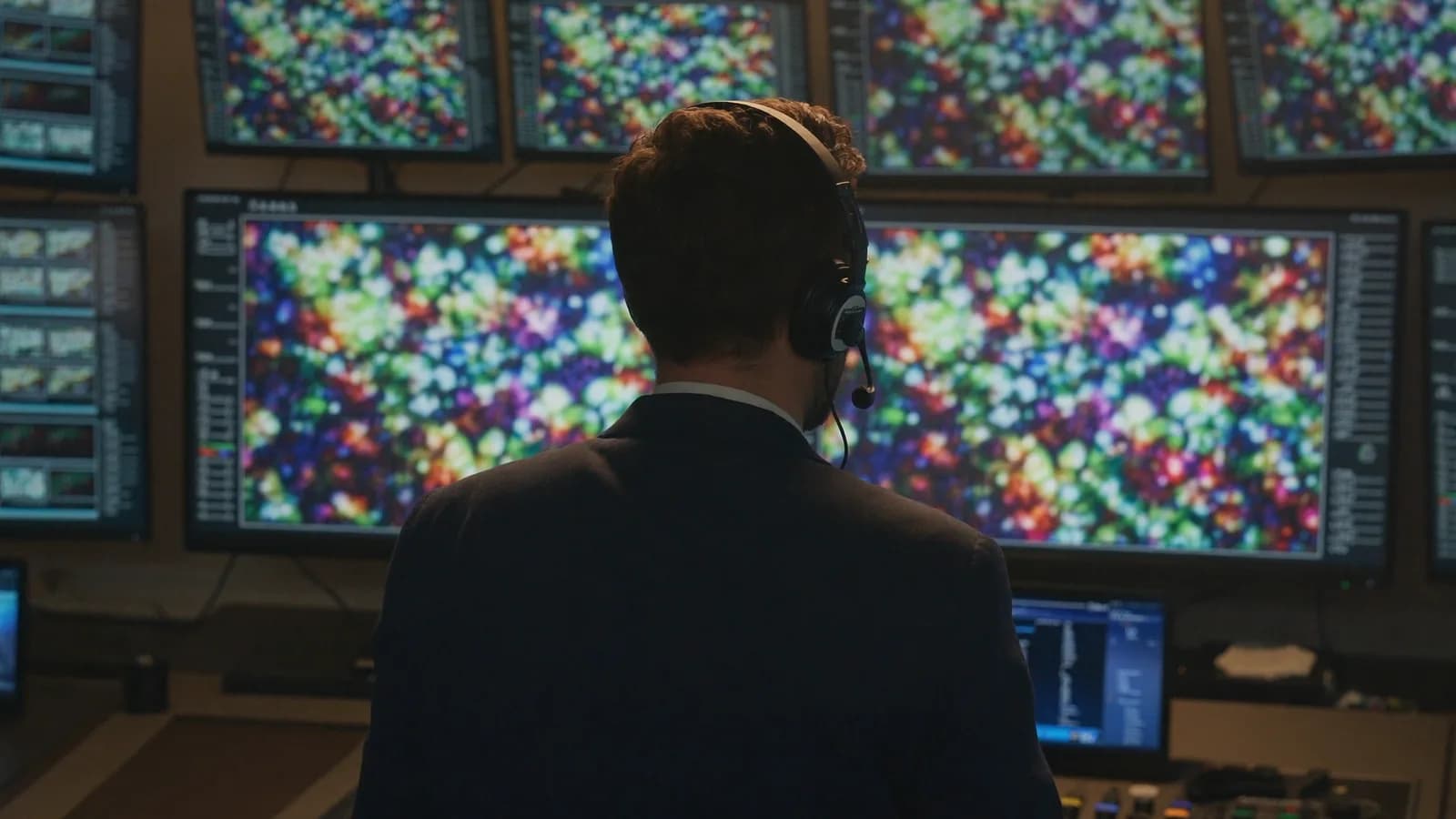
Some evenings stick with you. One of mine: a Klitschko boxing match, a control room at Mediengruppe RTL, and the nagging question of whether everything would hold together once we went live. Together with Vidpresso, we produced the first professional Facebook livestream of a Klitschko fight. Facebook Live was young, the tools were raw, and nobody could tell us how to do this properly. So we simply did it.
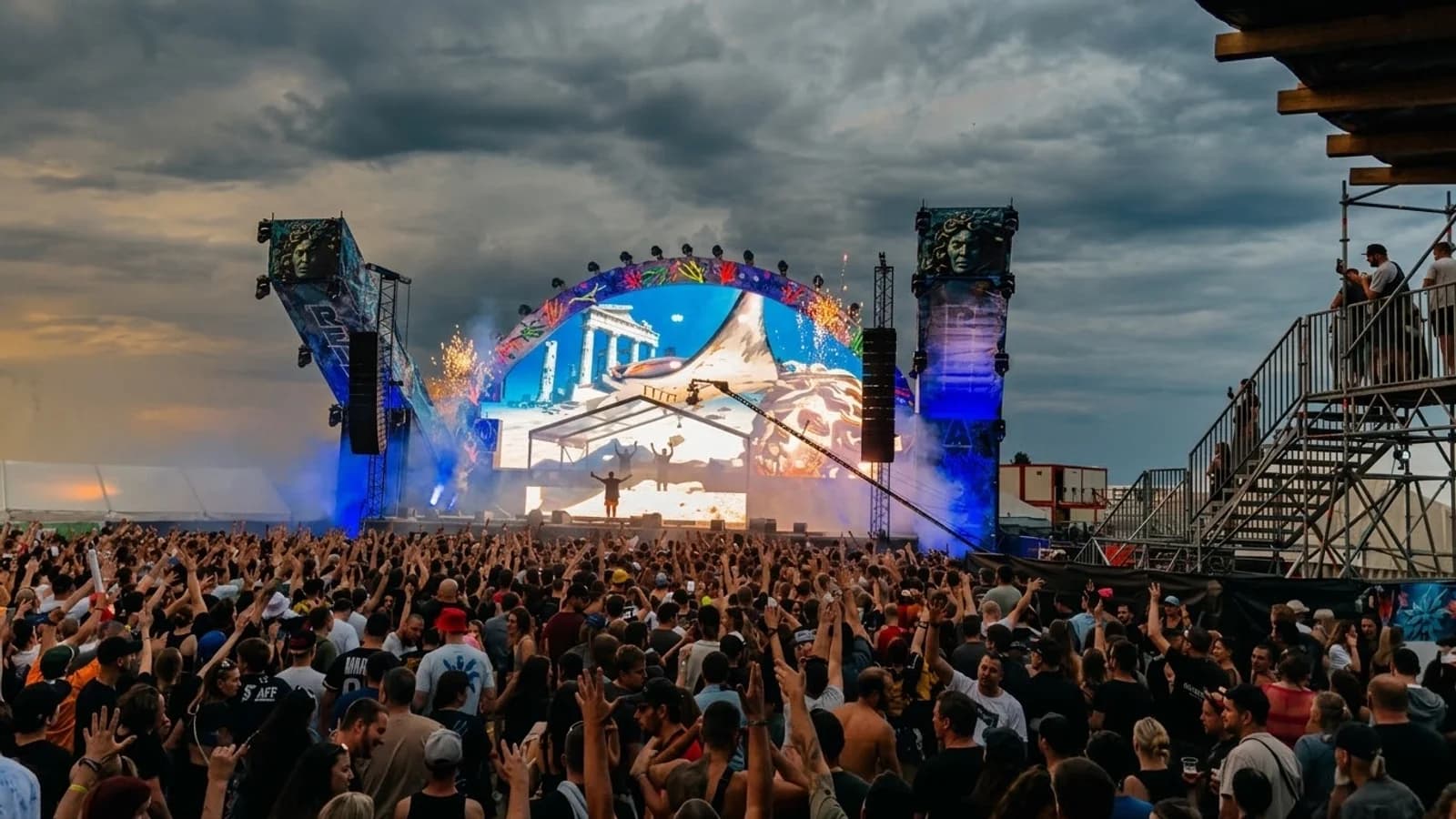
A few years later I found myself in Switzerland, watching a conference stage whose stream was being translated in real time by AI into English, French and Italian. No interpreter desk, no separate audio channels from a booth, just a piece of software I had helped build. Roughly a decade lies between those two evenings. And a complete shift in what livestreaming actually means.
Back then: a boxing match and a lot of improvisation
To understand why that evening mattered so much, let me rewind. At Mediengruppe RTL I was Germany's first official social media manager, having started as an intern in community management for GZSZ.de. The internship turned into almost seven years, and by the end I was responsible for more than 100 profiles with over 20 million fans. Livestreaming was the new, wild thing that hardly anyone took seriously.
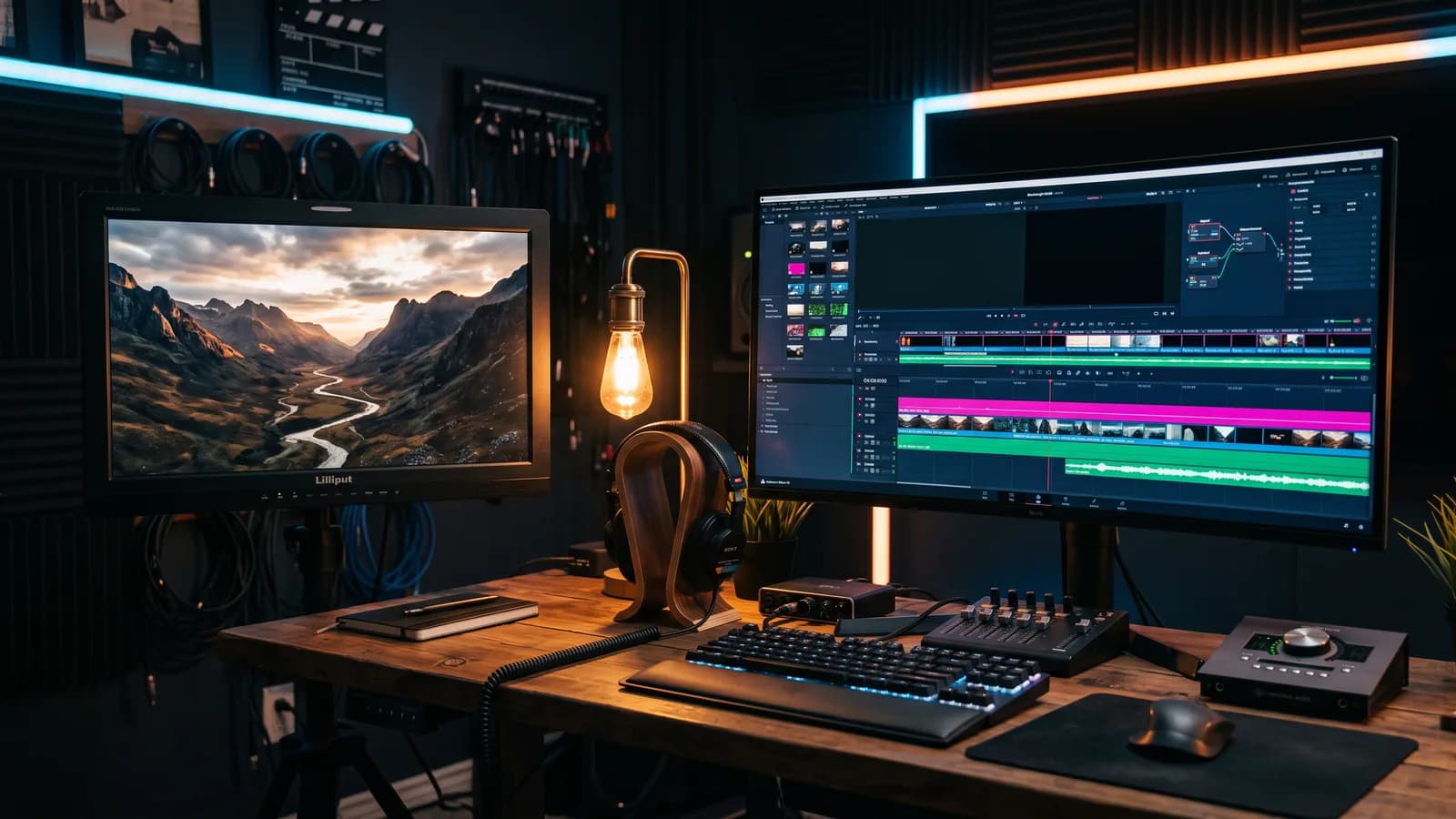
The setup for the Klitschko stream looks adventurous from today's perspective. Grab a clean camera signal from the TV production, push it through an encoder, send it via RTMP to Facebook, and hope the connection holds. With Vidpresso we could pull viewer comments live into the picture, and that was the real breakthrough: television that talks back. For Facebook at the time, this was territory nobody had mapped professionally.
We borrowed the dramaturgy from television and rebuilt it for the feed. A boxing match brings its own arc of tension, but the breaks between rounds belonged to us: picking up comments, answering questions, carrying the mood. If you only broadcast in a stream instead of reacting, you have not understood the medium. That was true then, and it is just as true now.
From theme park to full-scale production
After RTL I spent two years running digital communications at Phantasialand, a theme park with around two million visitors a year. There too: live formats, community, real time. Then I led Heroes Germany GmbH as CEO, a full-service agency in Cologne. But it took the next station to pull me properly back into livestreaming.
As CDO of a Swiss livestreaming scale-up I got to know the other side: large productions with a proper director's gallery, redundancy on every level, and our own app product. No more hoping the line would hold. Separate connections, backup encoders, clear procedures for when something fails. Livestreaming had grown up, with everything that comes with it.
What I took away from that time: reliability is not a question of technology alone, it is a question of preparation. The best productions were the ones where someone had asked uncomfortable questions in advance. What happens if the audio drops? Who decides when we switch to the backup? I carry exactly that mindset into every AI project today.
What AI actually does in a stream today
Today, as an AI consultant at BE BRAVE AG and co-founder of ORION AI, I build exactly the tools I was missing back then. More than 30 AI and digital products are live in production, and several of them sit right inside the livestream. Live translation into three languages is just the most visible example. Here is what AI concretely does in a professional stream today:
One thing matters to me here: none of this is future talk or trade fair prose. These building blocks run in real productions today. And because my work at BE BRAVE centers on sovereign Swiss AI infrastructure, I know all of it can be operated in a privacy-compliant way, fully hosted on servers in Switzerland if the situation demands it.
- Live translation: the stream runs in real time in English, French and Italian, with no interpreter booth and no extra staff.
- Subtitles and transcripts: every spoken word is available as text within seconds, accessible and searchable.
- Moderation support: AI pre-sorts incoming questions and comments so the director sees the relevant ones immediately.
- Clips and highlights: an hour of stream turns into short social media clips automatically, while the broadcast is still running.
- Voice agents: people who would rather call than type talk to an AI agent on the phone that answers questions about the event.
Dramaturgy is still craft
For all the technology, the dramaturgy has changed less than many people think. A stream needs an opening that orients viewers within seconds, an arc that places its pauses deliberately, and an ending that does not just cut off. I learned that during the boxing match, later passed it on as a guest lecturer at FH Kufstein, and debated it on stages like the AllFacebook Marketing Conference.
What has changed is the role of the audience. Back then, a comment appearing on screen was a sensation. Today viewers expect to join the conversation in their own language, to have their question heard, and to watch the stream on a phone on the train just as comfortably as on the big screen in the hall. AI lowers the cost of all that far enough that mid-sized events can afford it too.
And still the core remains human. An AI translates the host's joke into three languages, but it does not tell the joke. If you believe technology alone will carry a good stream, you are repeating the old mistake, just at a higher price. Story first, then setup. That order has not moved an inch in ten years.
My takeaway: the barrier is gone, the job remains
When I place those two evenings side by side, the boxing match and the trilingual conference, I mainly see one thing: the barrier to entry has fallen. What once took a TV broadcaster with special clearances is now within reach of a well-prepared team on a manageable budget. Technology is no longer the bottleneck. The bottleneck is whether you have something to tell your audience.
If you are currently thinking about how your next conference, product launch or internal town hall should go live, perhaps multilingual, perhaps with AI in the engine room: these are exactly the setups I enjoy talking about most. Write to me and tell me what event is coming up on your side. Which moment would you broadcast live if technology and language were no longer a limit?